From a Design Team of One…
When I joined in 2017, JOOR had one full-time designer—their first, since they had only used contractors before—and no process or cross-team collaboration, despite launching in 2010. There was no way to measure whether anything we shipped actually worked. Client complaints had overwhelmed Support so consistently that the organization had stopped asking for feedback.
Three patterns kept showing up everywhere I looked.

Order Taking
Clients gave feedback the way most humans do: with a solution, so the team built exactly that —one-off and unquestioned—no discovery, no problem definition—then imposed it on all customers, creating an adoption nightmare.
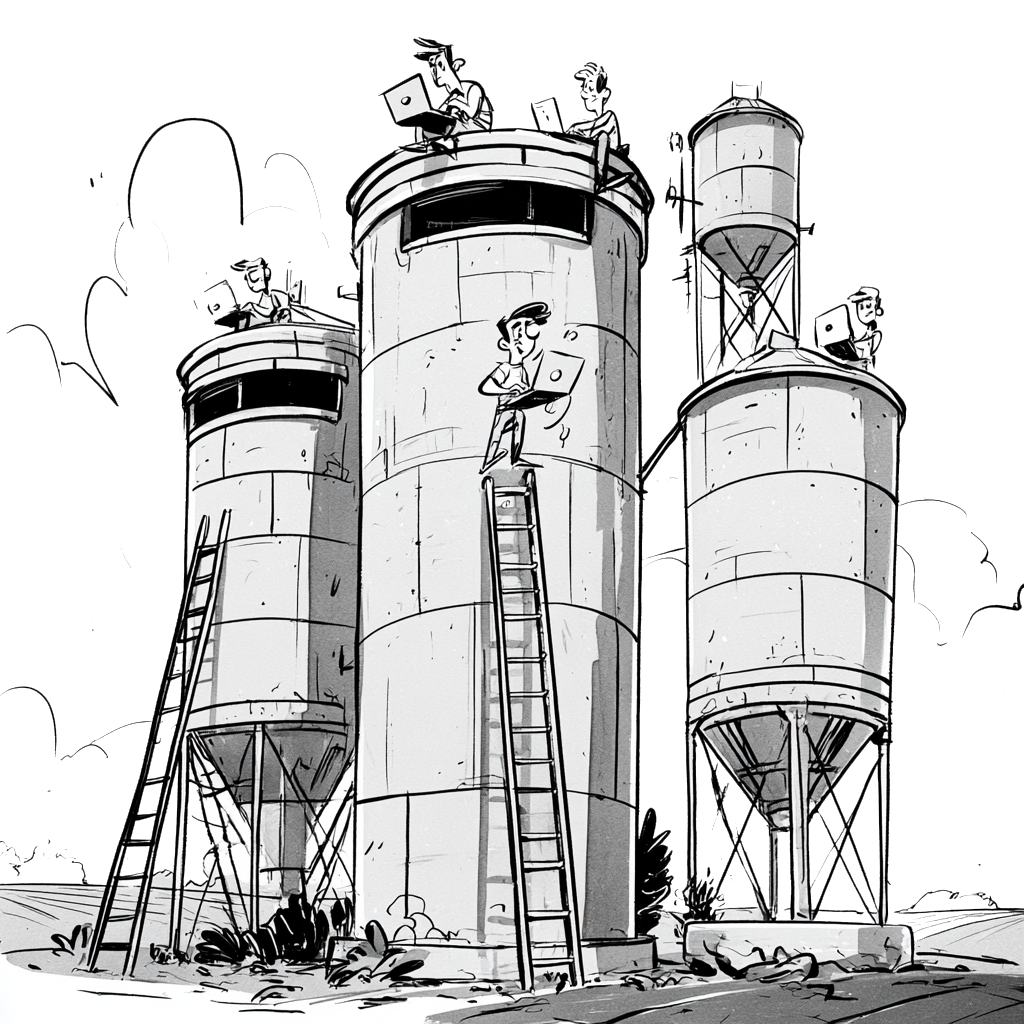
Organization Silos
Teams worked without shared context (siloed teams, minimal cross-functional collaboration, and infrequent pre-release communication).

No North Star
Feature releases were loosely aligned with business goals (no strategic vision and disconnected).
Product leadership at the time had no interest in user research—they told me directly not to do any. I did guerrilla research under the radar anyway. When that person left in 2019, the work no longer had to stay hidden.
What I built
With room to work in the open, I built what JOOR didn't have: a hiring process built around case study assignments, a design system (built twice — the second version fast, because the first did the groundwork), and a career ladder with a real skills matrix behind it.
Usability came next — simpler flows, less time training new clients, and working with product marketing so that communications didn't read like five different departments had written them.
The bigger shift came when I helped bring in a VP of Product Management who wanted the same things I did. Discovery got templated instead of improvised. We finally had the tooling to back it up: Pendo's tracking data and sentiment polls, plus Hotjar recordings, showed us what wasn't working. Maze let us experiment, test assumptions, and test new solutions before we shipped them. That's when Product Trios became real; one team reached an interview cadence where they recruited and spoke with customers every week.
One problem still needed its own project: the release process itself, which had been damaging the customer experience for years. [→ link to "When the Side-Hustle Becomes the Hustle" - coming soon]
By 2024, when I left, JOOR had what it didn't have when I walked in — a design practice, a way to hear from customers, and a way to know whether any of it actually worked.